


Learning how to make Elderflower Champagne is easy and worth the effort. It was one of our earliest forays into foraging, and though it took three months to develop its flavour in the bottle, actually making it took almost no time. We’ve made it every year since—whenever we can—perfecting the recipe over almost a decade. We’ve crafted it in both the Northern and Southern Hemispheres, from Scotland to New Zealand, and across both the North and South Islands (of New Zealand). As soon as spring begins, we know the elderflowers are just around the corner, and before long, we’ll be enjoying the first sips of the season.
I read and tried a number of different recipes, most just used number of blooms and lemons with varying amounts of sugar. As the size of the elderflower blooms vary from smaller than a coaster to larger than a dinner plate. The quantity of zest depends on the size of the lemon as does the amount of juice you can squeeze from it. So, over the years I have weighed and recorded the ingredients, averaged them out and made tasting notes on the results. This Elderflower Champagne recipe is the result, it is easy, fairly forgiving and you don’t need lots of exotic brewing equipment to get started.
Foraging Elderflower
Like with all fresh produce, there is a best time to harvest, forage on a sunny morning, choosing fully open blooms. Avoid dried out, damaged and discoloured flowers. Rain can wash away some of the flavour, so it’s best picked on a dry day.
Elder trees – Sambucus nigra have become an invasive weed in New Zealand as they are able to germinate and flourish even where the soil is poor and the terrain is steep. So you don’t need worry about foraging too many flowers. Less flowers means less berries, which the birds love, thus spreading the seeds far and wide.
Identifying elderflower – depending where you live there may be different plants that might seem similar. First rule of foraging, if in doubt, don’t eat it. Join a club, where other people’s expertise and guidance is invaluable. Do a foraging course, borrow or buy a reputable foraging book. Eventually, like me, you may be able to spot the trees beginning to bloom from a distance on a motorway.
How to make Elderflower Champagne
Ingredients
- 8 litres hot water
- 4 litres cold water
- 1400g sugar
- 280ml lemon juice – approximately eight lemons
- 50g lemon zest juice – approximately eight lemons
- 60ml white wine vinegar
- 275 g elderflower blooms trimmed off thick stems – about 25 – 30 large elderflower heads, in full bloom
- 5g dry champagne yeast
- sugar for bottling
Method
To prepare the elderflower blooms, gently shake to remove any bugs before trimming the clusters of little flowers off the stems. Washing will dilute the flavour if you wash away the pollen.
In a sterilised brewing vat or a spotlessly clean food grade bucket, add the hot water and sugar. Stir with a sterilised utensil until the sugar is dissolved, then top up with cold water so you have 12 litres of liquid in total.
When the water is below 20ºC, add the lemon juice, zest, white wine vinegar and the trimmed elderflower blooms.
Sprinkle the champagne yeast on the surface and stir gently with a sterilised spoon..
Put on a lid with an airlock or cover with clean loose weave cloth. Leave to ferment in a cool, airy place.
Day 4-7
After a few days, you’ll notice more bubbling and fizzing – this indicates that the fermentation process is actively underway. Stir the mixture once a day using a sterilised spoon, distributing the yeast and ensuring that all the sugar gets fermented. Do this until the brew has stopped bubbling and is quiet for a day.
Day 8
Use a sterilised sieve or muslin cloth to strain the liquid to remove all the solids – the elderflowers, lemon zest, and any undissolved particles.
You will need at least 16 x 750ml champagne bottles, clean, sterilised with caps or corks. If you’re using corks, it’s a good idea to secure them with wire cages or twine to ensure they don’t pop off from the pressure.
Before filling each bottle, add 5gm or a teaspoon of sugar into each bottle. This sugar will aid in the secondary fermentation and carbonate the elderflower wine into sparkling elderflower champagne.
Siphon, pour from the tap if your vat has one or carefully scoop the liquid from the fermenting vat, taking care not to disturb any sediment. Pour the elderflower liquid into the bottles, leaving about 5cm of space at the top, this allows for the carbonation build-up and to prevent the bottles from exploding. ( this has never happened to me, but it can, so store in a place that it would be easy to clean up)
Seal the bottles with caps (my preferences) or corks, if using corks, secure them with wire cages so they don’t pop off from the pressure, just like you see on a traditional bought bottle of Champagne.
When to taste
When to taste and enjoy – we leave our bottles for at least 2 months, preferably 3 before we have a open a bottle to taste. It should be clear with a light fizz, pour carefully so as not to disturb any sediment in the bottom. If left to ferment for 6-9months, we have had some spectacular results.
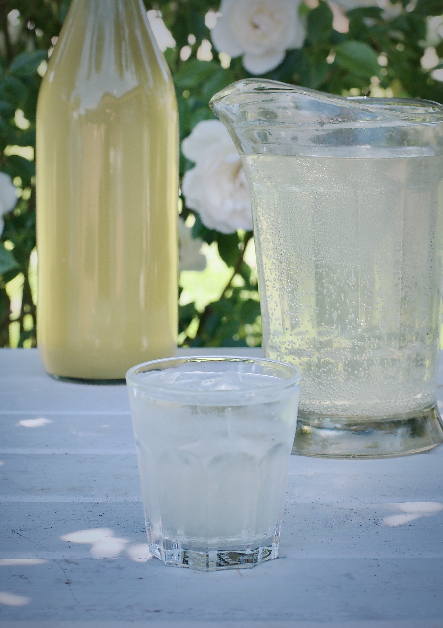
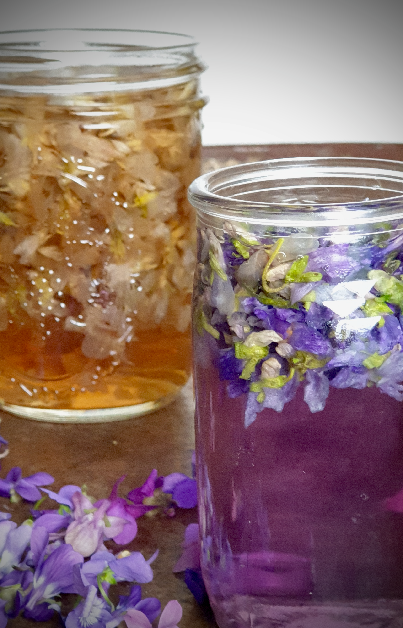
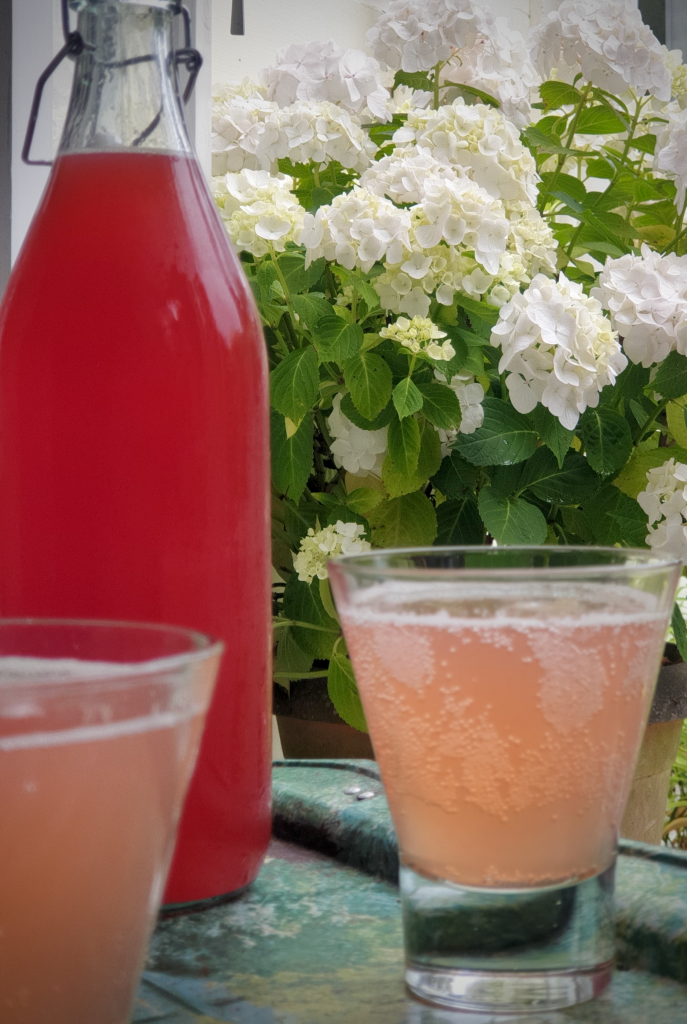
If brewing still seems a bit daunting, but you want to try elderflower, a homemade cordial is a simple non-alcoholic drink and a great way to enjoy the elderflower flavour. A new springtime treat we have added to our foraging calendar is a sweet violet colour changing gin, or there is a rhubarb cordial is another easy syrup for a fizzy child friendly pink drink.
Before you start you might like to read how to clean brewing equipment and home brewing safety tips.
If you’ve read this far, and would like new recipes directly to your inbox, please subscribe. Follow along @call.me.ishbel or leave a comment, let us know where you’re from or what recipes you would like me to write.


